



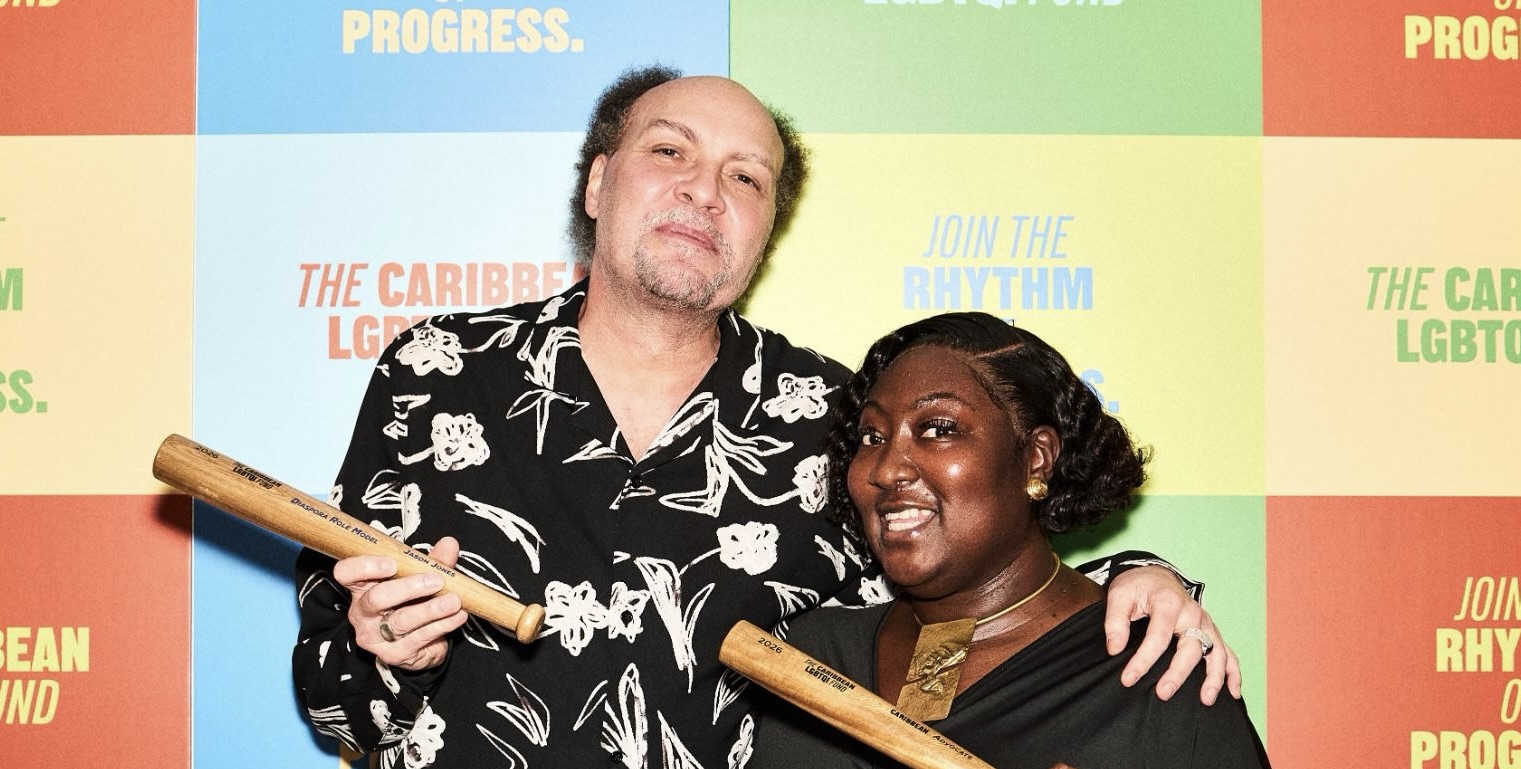
After more than a decade of legal challenges, Trinidadian LGBTQI activist Jason Jones has secured a landmark victory at the Judicial Committee of the Privy Council.
On 10 November, the Privy Council allowed Jones’ appeal in his long-running constitutional challenge to laws criminalising consensual same-sex intimacy in Trinidad and Tobago, overturning the 2025 decision of the Trinidad and Tobago Court of Appeal.
While the judgment directly concerns Trinidad and Tobago, its significance reaches beyond the country. Similar colonial-era criminal laws remain contested elsewhere in the Caribbean, and the Privy Council’s reasoning may influence future constitutional challenges across the region.
For Jones, the case has always been about more than decriminalisation. As he reflected ahead of the judgment, it is also about how “homophobia is being weaponised to take away our democratic rights.”
The decision also adds weight to a wider debate about colonial legal inheritance, equality and the right of LGBTQI people to live with dignity in the countries they call home.
Eleven years of legal challenge
In 2017, Jason Jones brought a constitutional challenge to sections 13 and 16 of Trinidad and Tobago’s Sexual Offences Act, which criminalise “buggery” and certain other sexual acts, arguing that they violated constitutional rights and freedoms.
In April 2018, the High Court ruled that the provisions were unconstitutional. The Government appealed and, in March 2025, the Court of Appeal overturned the decision. While the Court of Appeal recognised constitutional difficulties with the laws, the majority concluded that older criminal prohibitions remained protected by the Constitution’s “savings law” provisions.
Jones subsequently appealed to the Judicial Committee of the Privy Council, Trinidad and Tobago’s final court of appeal. Five judges heard the case in London on 8 July 2026.
By the time the case reached the Privy Council, a coalition of Caribbean and international LGBTQI organisations had intervened in the proceedings, including Colours Caribbean, The Silver Lining Foundation in Trinidad and Tobago, OUTBermuda, the United Belize Advocacy Movement and ILGA North America and the Caribbean.
The judgment follows eleven years of advocacy by Jones, alongside the work of lawyers, LGBTQI activists and organisations across Trinidad and Tobago and the wider Caribbean.
In a new profile for SAGAMAN, a global media platform exploring the stories of men shaping culture and the cultures shaping men, co-founder of the Caribbean LGBTQI Fund by GiveOut, Liam Rezende, reflects on Jones’ journey and the wider movement behind the case. The piece explores the personal cost of the litigation, questions of Caribbean identity and belonging, and the sometimes complex debates within movements about how social change is achieved.
Read Liam Rezende’s profile of Jason Jones in SAGAMAN
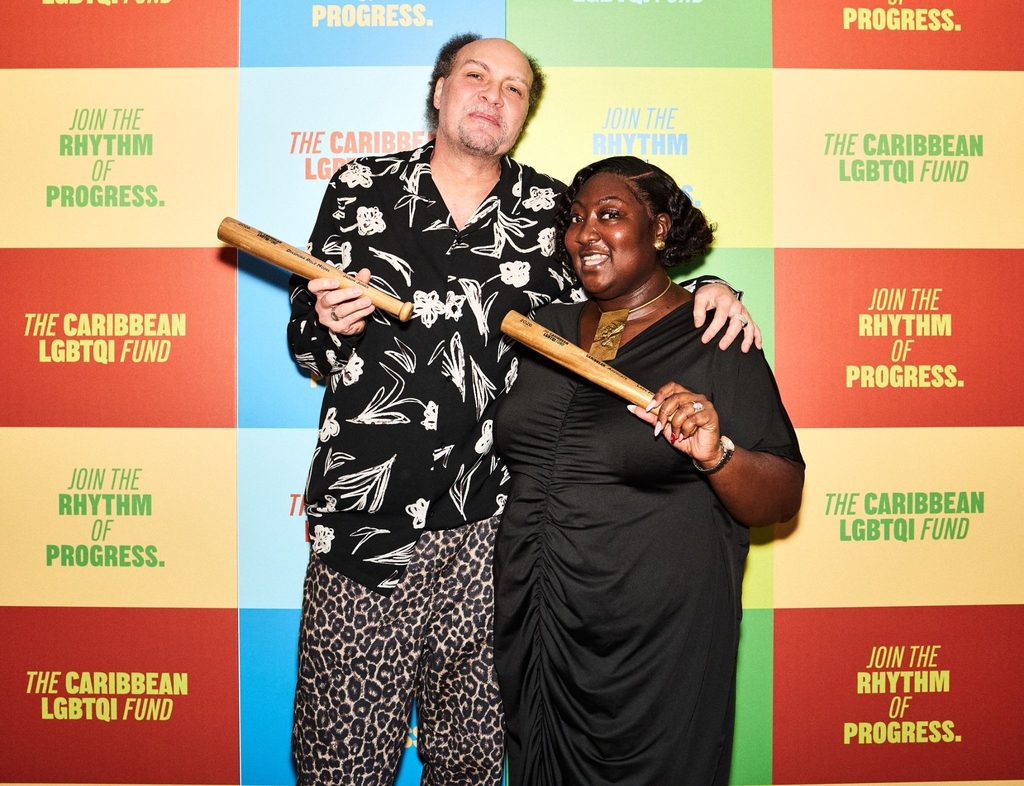
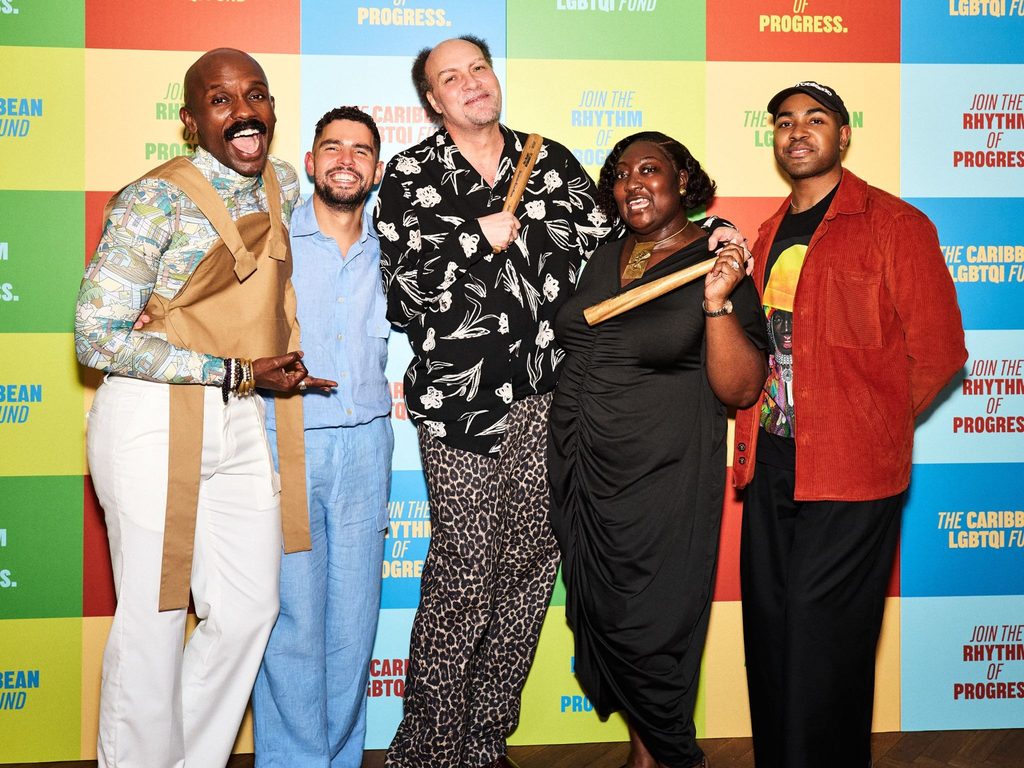
Earlier this year, Jones was also honoured as the inaugural Diaspora Role Model at the launch of the Caribbean LGBTQI Fund, recognising his leadership, visibility and contribution to LGBTQI equality across the Caribbean.
What comes next: supporting the movements behind change
Legal judgments can be transformative. But changing the law is only one part of achieving lasting equality. A landmark ruling does not automatically change social attitudes, guarantee people’s safety or secure the rights and support that LGBTQI communities need in everyday life.
The judgment also speaks to an unfinished struggle across the Commonwealth, where activists continue to challenge discriminatory colonial-era laws and advocate for stronger protections. Its influence may extend beyond Trinidad and Tobago, but lasting progress will depend on locally led movements working in their own political and social contexts.
Across the Caribbean, LGBTQI organisations are doing that work every day: supporting people facing discrimination, building community networks, changing public attitudes and pressing for legal and policy reform. Those efforts need sustained investment, not only at moments of high-profile legal victory.
Through the Caribbean LGBTQI Fund, GiveOut brings together supporters from the region and its diaspora, alongside allies, to provide long-term, flexible funding for locally led LGBTQI organisations. Supporting the Fund is a practical way to build on this landmark moment and help sustain the movements working for lasting equality across the Caribbean.
On Sunday 29 November, the Caribbean LGBTQI Fund is bringing people together for a Caribbean Sunday Lunch at The Ministry in London. With food from JURKISH, DJs and live performers, it is an opportunity to celebrate the Caribbean community and support the work still ahead.
Support the Caribbean LGBTQI Fund
Book your place at the Caribbean LGBTQI Fund Sunday Lunch on 29 November