

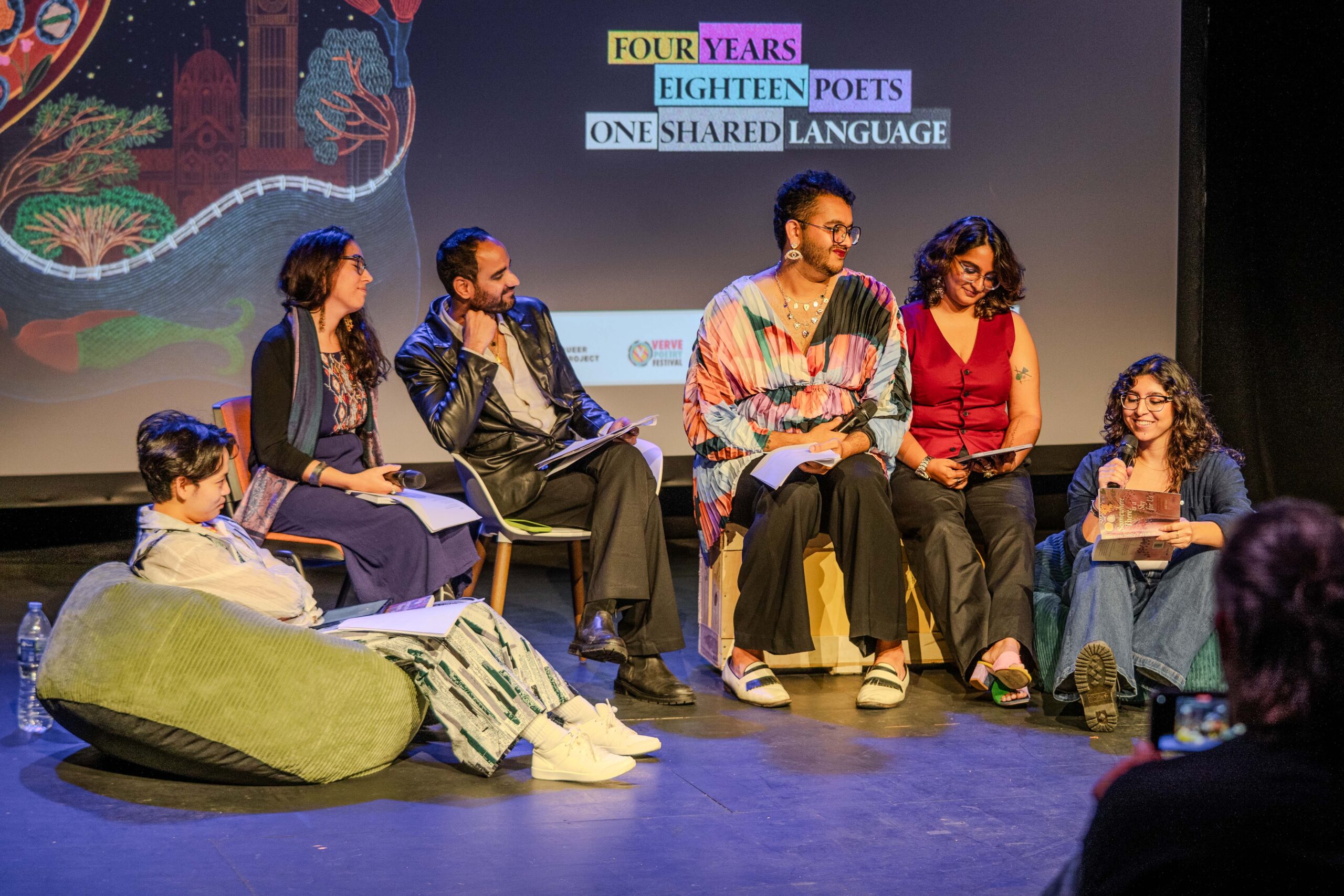
Challenging the notion that faith and identity are mutually exclusive, The Queer Muslim Project (TQMP) stands at a vital intersection. For millions, being both queer and Muslim is a lived reality, though often condemned or erased by mainstream narratives. Asia’s leading cultural platform, TQMP, is confronting this erasure, using the power of storytelling to create spaces of belonging, affirm identity, and fundamentally shift public perception.
Founded in 2017 by Rafiul Alom Rahman, TQMP began with a profound mission, to create a space where queer Muslims could be their ‘whole selves’. Rafi, TQMP’s founder and director, explains the project’s necessity: ‘So often you are told that you have to be either this or that. For me it was very important that we have a space where people can just come together and be themselves.’
Whilst centring Muslim perspectives, TQMP’s work recognises that marginalisation operates across multiple intersections: caste, gender identity, region, and language. The organisation creates bridges between communities, understanding that those facing compounded barriers, from economic inequality to geographic isolation, need platforms that address their diverse, complex experiences.
‘If you’re a queer Muslim, you’re treated as a double threat: within Muslim communities you’re seen as not Muslim enough or as adopting Western culture, while in queer communities you’re seen as a traitor for holding on to your Muslim identity that’s viewed as inherently homophobic.’
Reaching Hearts and Changing Minds
Rafi describes the reality for many LGBTQI Muslims as a ‘double threat’, explaining: ‘If you’re a queer Muslim, you’re treated as a double threat: within Muslim communities you’re seen as not Muslim enough or as adopting Western culture, while in queer communities you’re seen as a traitor for holding on to your Muslim identity that’s viewed as inherently homophobic.’
To address this, TQMP recognised that systemic change requires a strategy that operates on an emotional, human level. Reflecting on an environment fuelled by negative stereotypes, Rafi explains: ‘Human beings fundamentally connect through stories. Our shared humanity is shaped by pain, love, loss, anger, and joy. But how do we know that someone else feels the same things we do? Even if another person comes from a completely different culture, they still experience loss, or the joy of first love, in ways that resonate with our own. Stories are what allow us to recognise and feel that connection.’
This strategic focus on culture is TQMP’s core principle. They work closely with storytellers, writers, poets, filmmakers, and artists, to develop narratives that reach and resonate with diverse audiences. Their goal is to ensure these stories travel through mainstream cultural pathways, disrupting negative rhetoric and building bridges of understanding.
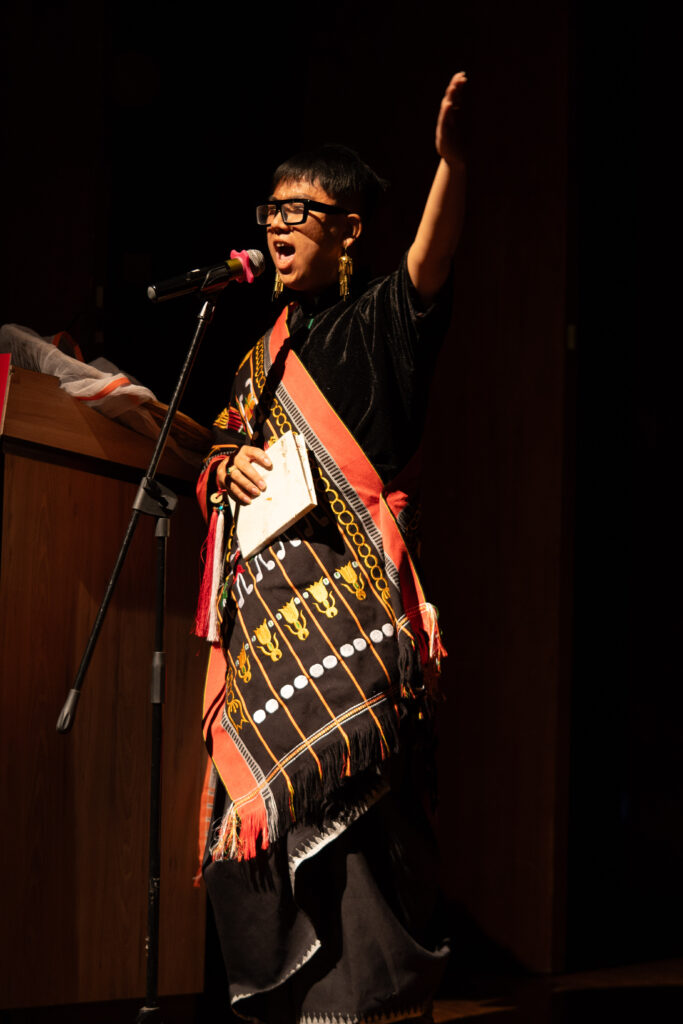
The impact is often immediate. At a literary festival showcase in Mumbai, TQMP’s poets performed to a sold-out crowd. Afterwards, a young man approached the team and confessed he hadn’t held positive views of the queer community. Rafi recounts the moving exchange, noting that the man said ‘he was so moved and he was so guilty . . . it made him reflect and it made him feel that he needs to be a better person.’ TQMP’s approach proves that one performance or one shared poem can transform deep-seated biases more effectively than rhetoric alone.
The impact extends beyond live performances. Messages regularly arrive through Instagram: ‘I’ve been so lonely, feeling alone,’ one person wrote. ‘And when I come to your page, and I see there are stories of other people like me, I feel there is a sense of hope in the world.’ Whether through sold-out festivals or quiet moments scrolling through stories, TQMP creates connection where isolation once existed.
‘Human beings fundamentally connect through stories. Our shared humanity is shaped by pain, love, loss, anger, and joy. But how do we know that someone else feels the same things we do? Even if another person comes from a completely different culture, they still experience loss, or the joy of first love, in ways that resonate with our own. Stories are what allow us to recognise and feel that connection.’
Platforming New Voices and Building Industry Access
To ensure these stories find global platforms, TQMP has developed comprehensive programmes and strategic industry partnerships. Rafi frames their work through three clear pathways: writing for the page, stage, and screen. Each programme is designed not merely to develop creative work, but to build the networks and connections that allow queer Muslim and other marginalised artists to access mainstream cultural spaces.
For the page, The Queer Writers’ Room has run two editions, bringing together emerging writers to develop new work. This year, TQMP published an anthology ‘On the Brink of Belief: Queer Writing from South Asia’ in partnership with Penguin Random House India, ensuring their voices reach readers across the subcontinent and beyond.
For the stage, Language is a Queer Thing represents TQMP’s international spoken word development programme, running since 2022 in partnership with the British Council. Over three years, 18 queer poets from India and the UK have created new work and performed at prestigious literary festivals including BBC Contains Strong Language, Jaipur Literature Festival, and Mumbai Lit Live. This year, six alumni poets were featured as part of Bradford City of Culture 2025, not only performing but leading workshops and community gatherings, taking their work directly to local audiences.
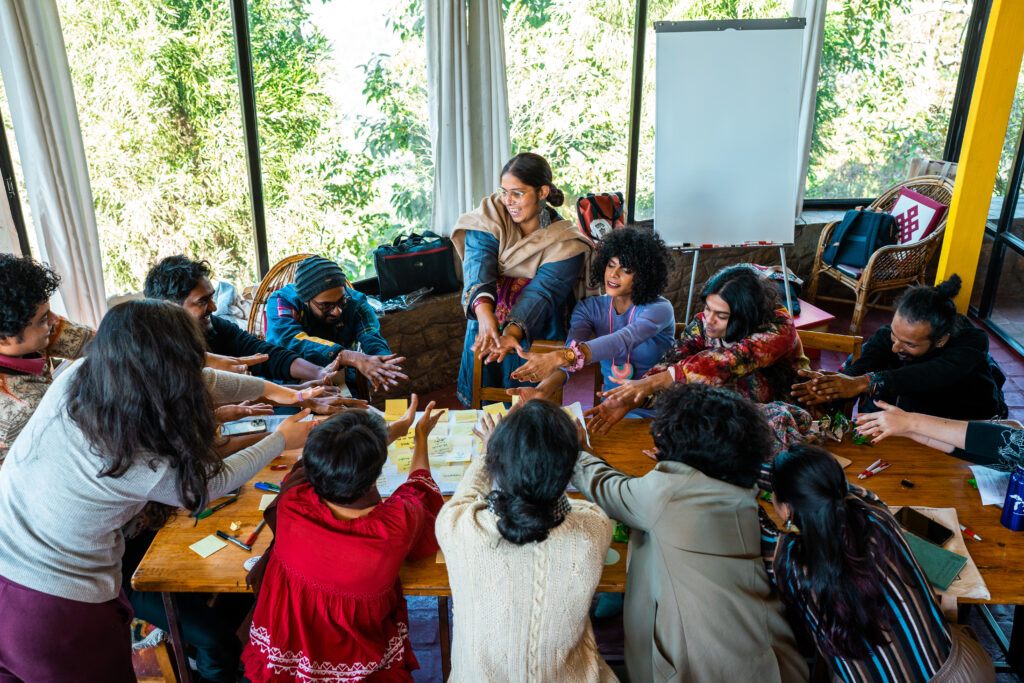
For the screen, the QueerFrames Screenwriting Lab has evolved from its 2023 pilot with Netflix into a full fiction feature lab. The programme develops queer and trans writer-directors from across South Asia, creating tangible pathways to the film industry. With eight fellows selected this year, the lab includes intensive residencies and ongoing mentorship, ensuring scripts move from development toward production.
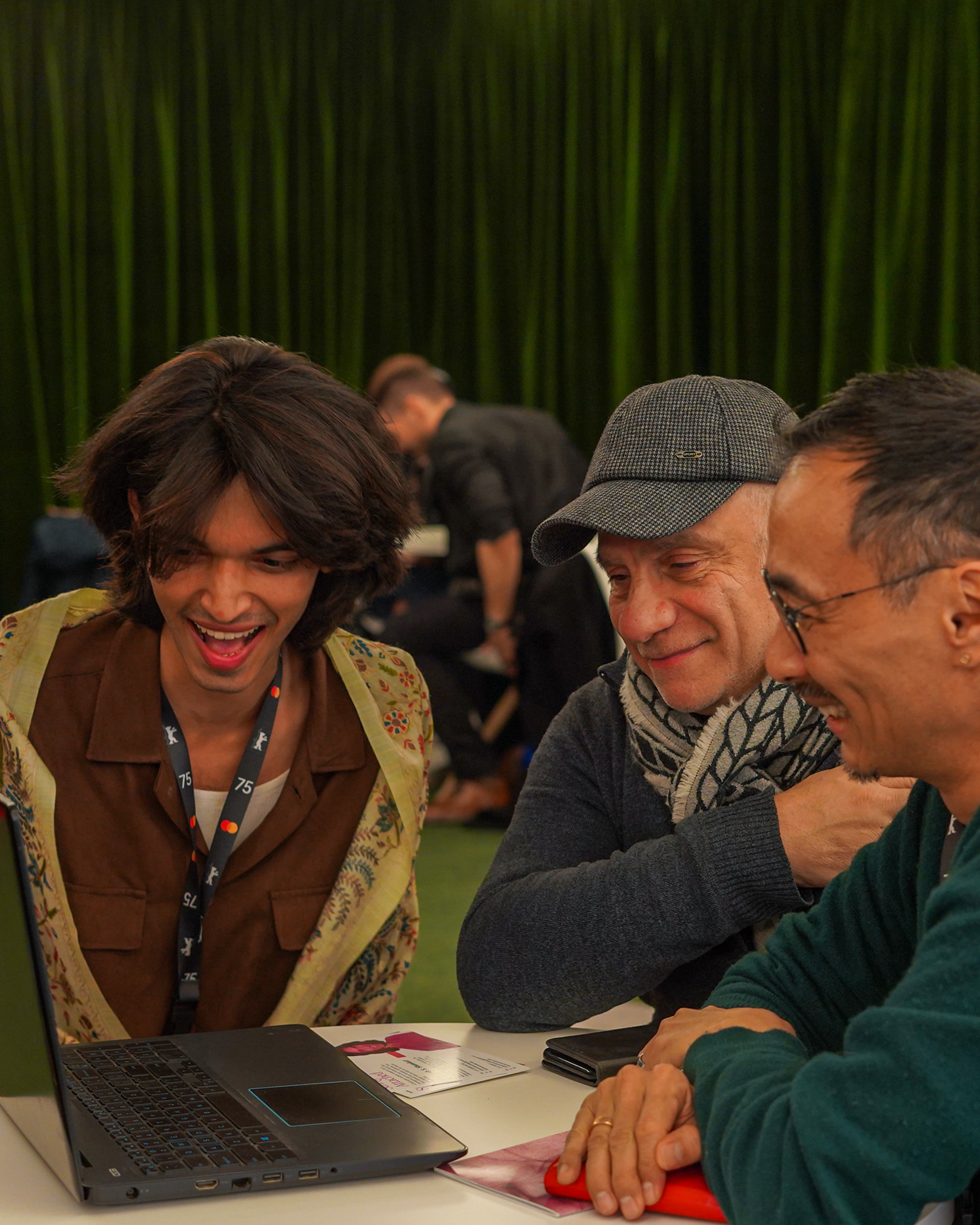
Beyond these flagship programmes, TQMP actively builds industry access through strategic showcases and delegations. In February 2024, they brought five South Asian filmmakers to the European Film Market in Berlin, creating opportunities for international co-productions and distribution partnerships. Movement building remains central to their work, whether that be participating in regional convenings, fostering cross-movement dialogue with feminist allies, or hosting platforms where artists can connect with commissioners, publishers, and festival programmers.
This comprehensive approach has earned TQMP international recognition beyond South Asia. In 2024, the organisation won the Digital Deal Award from Ars Electronica and Creative Europe, hosting an exhibition in Linz, Austria. Visitors who had assumed ‘the Muslim community is regressive’ found themselves moved, saying: ‘Just to see that The Queer Muslim Project is actually doing this is incredible.’
‘I feel like queer people have a lot of resilience. Queer people are dreamers. Queer people are magicians. . .the barriers you create, we are going to make a song out of it or a movie out of it or a poem out of it, but we are going to be here and we’re going to continue.’
Resilience in the Face of Disruption
Behind this expanding reach and international recognition lay a precarious funding landscape. When widespread funding disruptions struck in early 2025, flexible funding became TQMP’s lifeline. As many organisations faced ‘total chaos’, TQMP found stability through support from GiveOut’s LGBTQI Urgent Response Fund, which provided early assurance and the freedom to adapt.
Rafi described the early assurance TQMP received: ‘I think you were one of the only partners that came out with clarity as early as in February.’ This flexibility allowed TQMP to maintain momentum for key programmes, ensuring that cultural affirmation and movement building could continue without pause.
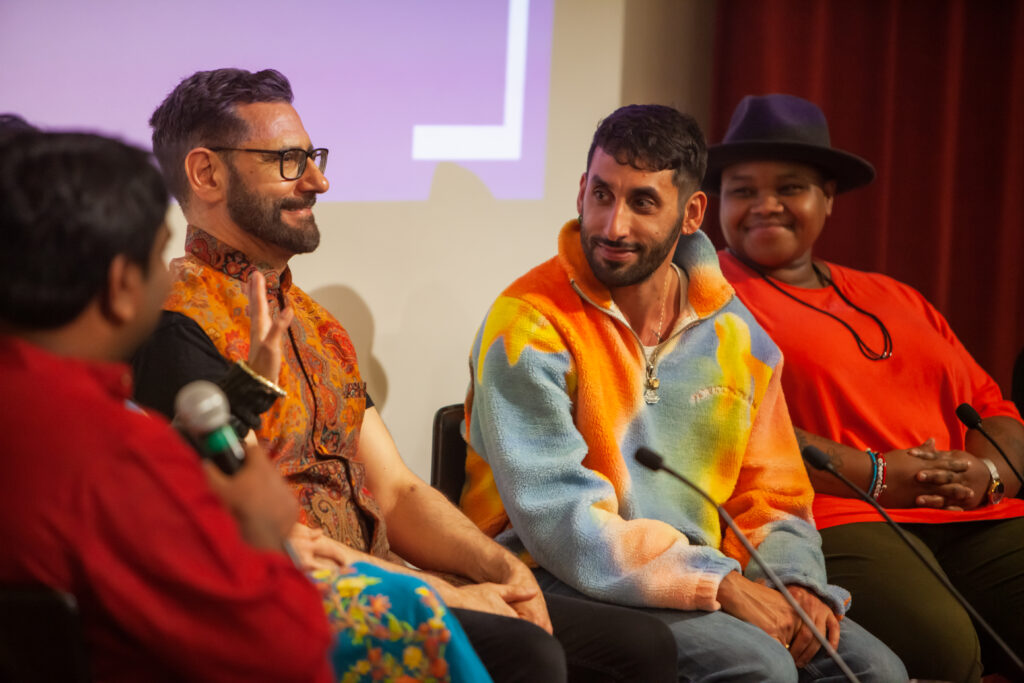
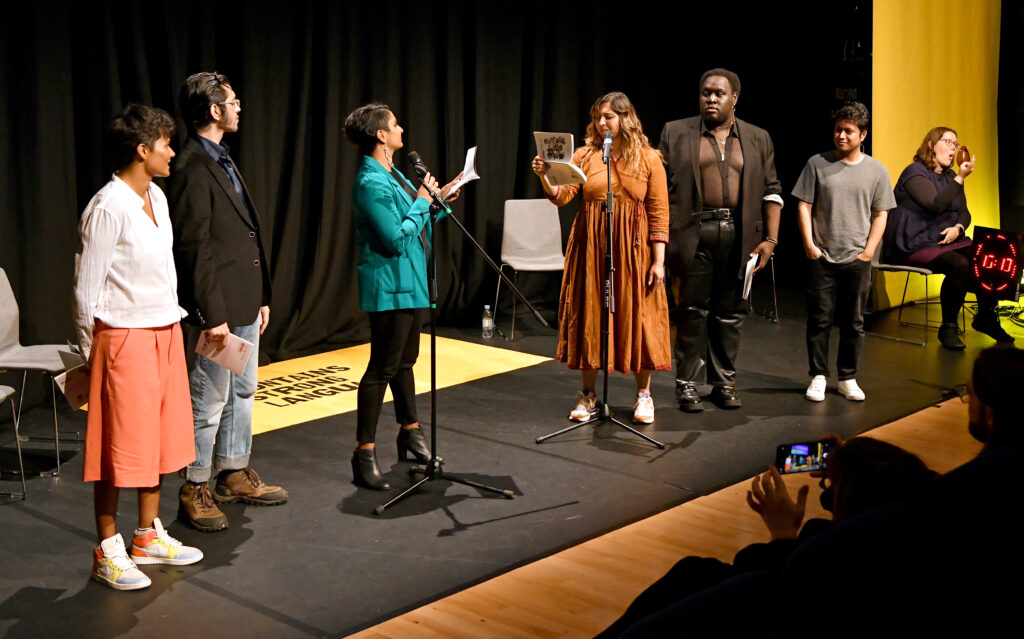
Picture by Simon Hadley/ www.simonhadley.co.uk
For Rafi, the effectiveness of unrestricted funding is clear: ‘It’s very important that funders are able to think like us. They’re able to understand what the community and the partners on the ground require instead of just coming with a set agenda. It’s because of this kind of funding we are able to make the kind of impact.’
Looking to the future, Rafi is grounded in the community’s indomitable spirit. ‘I feel like queer people have a lot of resilience. Queer people are dreamers. Queer people are magicians,’ he affirms. He believes creativity is an unstoppable force, concluding: ‘The barriers you create, we are going to make a song out of it or a movie out of it or a poem out of it, but we are going to be here and we’re going to continue.’
TQMP’s work is a testament to the fact that cultural change is foundational to liberation, crafting a future where every individual is free to fully inhabit their faith, their identity, and their dreams.