

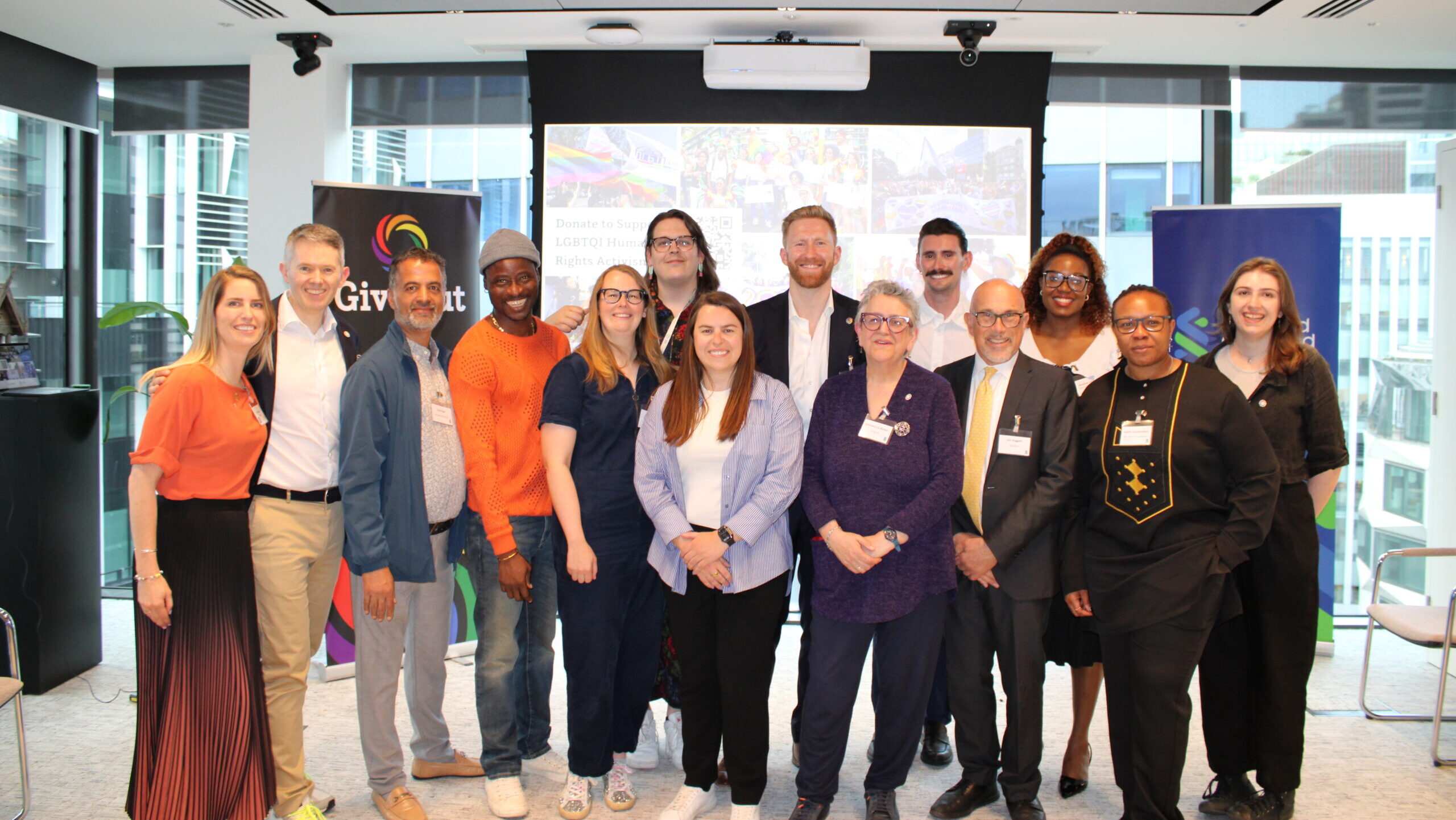
Throughout 2025, our community showed the transformative power of standing together. When you gave, organisations regained stability. When crises struck, your collective action helped keep vital services running. When discriminatory laws were challenged, your solidarity stood behind every legal brief. These 12 stories represent what we can achieve when supporters and grant partners work hand in hand – a global movement united in the belief that LGBTQI people everywhere deserve to live freely and fully.
1. When Aid Was Cut, We Showed Up
In January, the US government suddenly froze nearly all foreign aid. Two-thirds of our grant partners were affected, facing losses of over £2 million. Your response through the LGBTQI Urgent Response Fund was immediate. Emergency resources allowed organisations to keep their doors open, staff in post, and vital services running when communities needed them most.
2. Solidarity in the Face of Disaster in the Caribbean
When Hurricane Melissa devastated the Caribbean as a Category Five storm, your donations through the Hurricane Melissa LGBTQI Appeal provided a lifeline. Trusted grant partners Equality for All Foundation (EFAF) and the United Caribbean Trans Network (UCTrans) delivered emergency cash assistance, safe temporary accommodation, and essential supplies to LGBTQI people who could not safely access mainstream relief.
3. Saint Lucia Strikes Down Laws That Criminalise Same-Sex Relationships
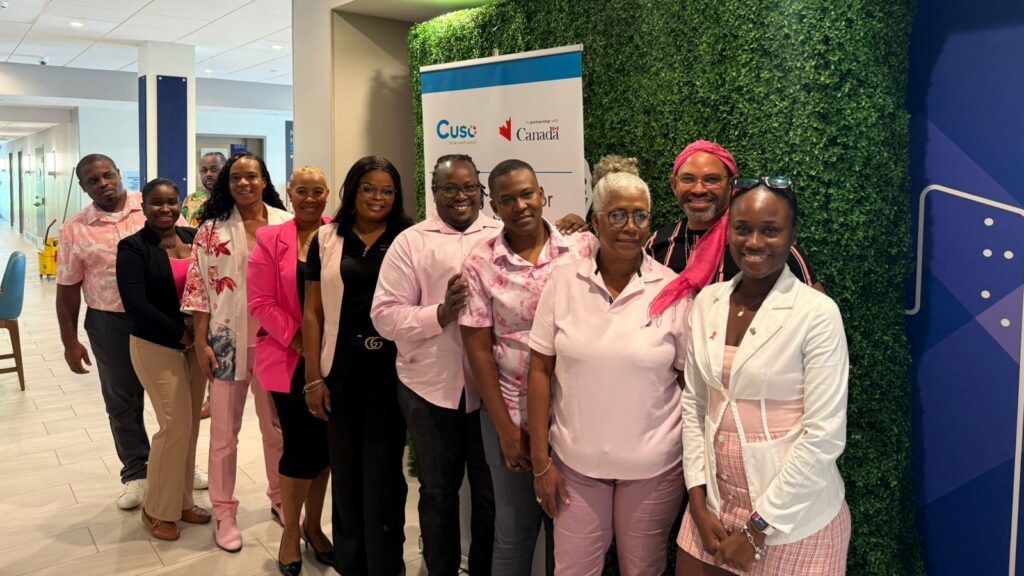
In a landmark win for the LGBTQI community in the Eastern Caribbean, Saint Lucia’s High Court overturned laws that criminalised same-sex relationships. Eastern Caribbean Alliance for Diversity and Equality (ECADE) led this case, the result of 10 years of careful legal work that began with wins in Antigua and Barbuda, Saint Kitts and Nevis, and Barbados. Five Caribbean countries have now reversed these laws thanks to the efforts of ECADE and the Eastern Caribbean’s courageous LGBTQI activists.
4. Seeking Justice Through the Courts, from Kenya to India
Your support helped LGBTQI organisations use the law to seek justice. In Kenya, the National Gay and Lesbian Human Rights Commission (NGLHRC) secured a 50-year sentence for the killer of fashion designer Edwin Chiloba. In India, the Centre for Law and Policy Research (CLPR) secured justice for Prapulladevi K.N., a trans woman who was denied a public service appointment despite being selected on merit, while other candidates from the same list were allowed to take up their posts. And in Armenia, Pink Armenia won a case at the European Court of Human Rights after LGBTQI activists were publicly labelled ‘internal enemies’ in a newspaper that called for them to be ostracised, holding the government accountable for allowing hate speech to go unchecked.
5. Pride Marches On Despite War in Ukraine
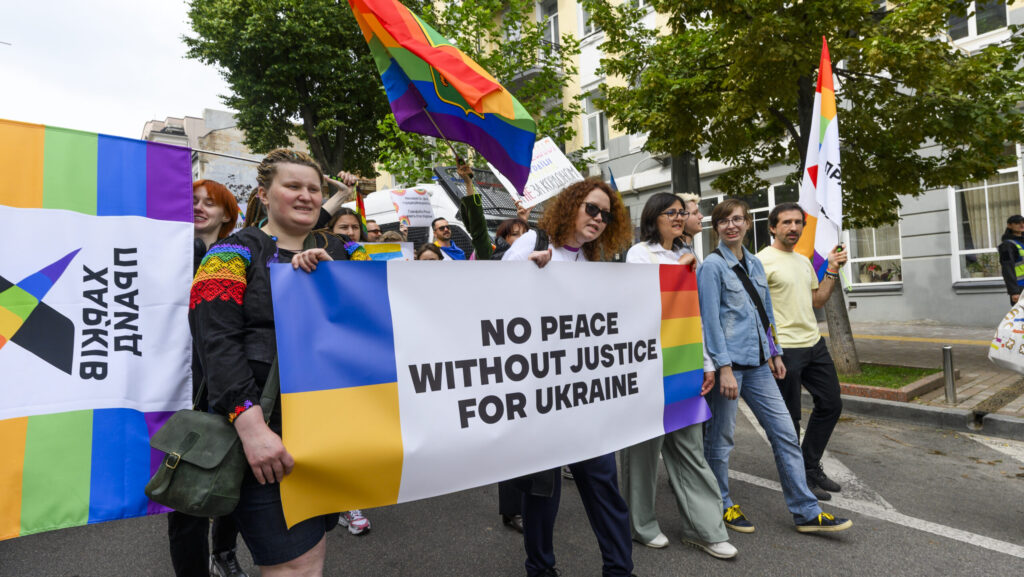
Against the backdrop of war, over 1,500 people gathered in Kyiv for the 2025 Pride march, an extraordinary act of visibility. Diplomats walked alongside LGBTQI military personnel as communities from across Ukraine united in the capital. Despite police pressure to cancel and constant air raid threats, KyivPride refused to back down, demonstrating that LGBTQI Ukrainians are integral to their nation’s present and future.
6. Strengthening the Livelihoods of LGBTQI People, from Guyana to Tonga
In Guyana, Guyana Trans United (GTU) trained trans and non-binary people in skills from cake decorating to graphic design, with each receiving a seed grant to start their own business. All became first-time business owners, providing financial security in a context that often excludes trans people from income-generating work. While in Tonga, the Tonga Leitis Association (TLA) ran skills workshops for over 400 leiti community members across 15 locations, building expertise in event planning, floral design, and handicrafts, skills that can be monetised within the local economy to support community livelihoods.
7. Using Art and Culture to Change Hearts and Minds Across Asia
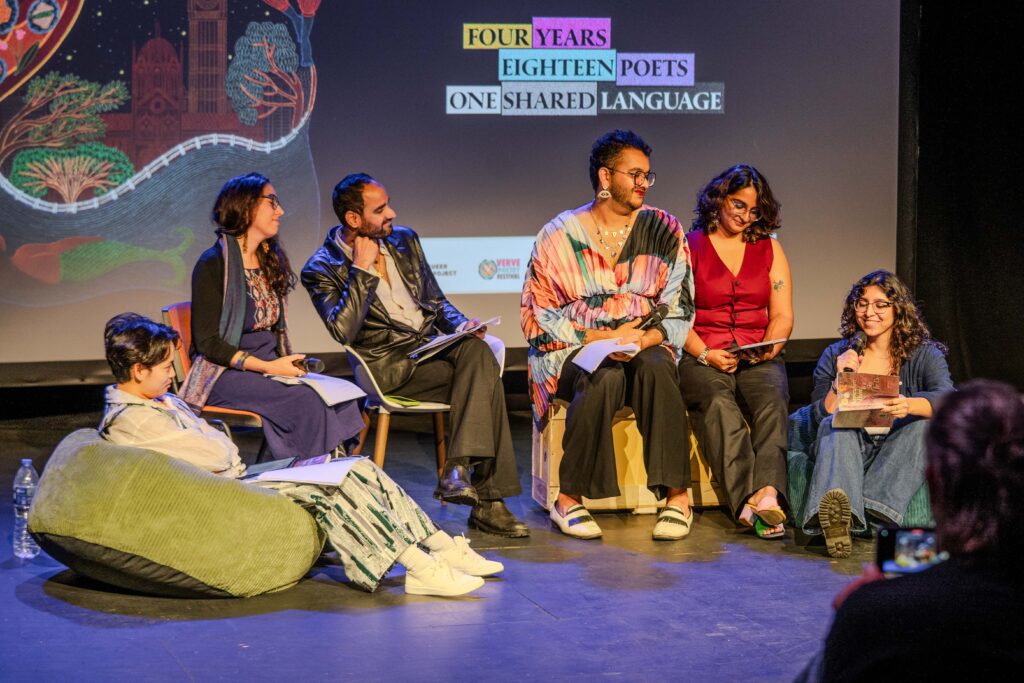
Across Southeast Asia, ASEAN SOGIE Caucus’ (ASC) Southeast Asian Queer Cultural Festival used the power of artivism – the use of artistic and cultural approaches to drive social change – where they showed 51 works from queer artists in 11 countries, proving how art builds understanding. In South Asia, The Queer Muslim Project used storytelling to create belonging for queer Muslims, with work published by Penguin Random House India, and poets performing their work on stages around the world. And in Nepal, Mayako Pahichan’s film Ajima and the Six Genders explored Kathmandu’s history of recognising multiple genders, challenging today’s anti-LGBTQI attitudes.
8. Building Bridges Between Faith and Identity, from Nigeria to Pakistan
In many contexts, LGBTQI people are told their identity is incompatible with their faith. Your support enabled organisations to challenge this narrative and create pathways for belonging. In Nigeria, the Bisi Alimi Foundation developed Pathways of Inclusion, drawing on experiences of over 1,200 LGBTQI Nigerians and perspectives of 12 faith leaders. The research report and toolkit created actionable strategies for engaging religious leaders and fostering relationships between faith communities and LGBTQI people. And across Asia, Coalition for Sexual and Bodily Rights (CSBR) brought together LGBTQI activists, religious scholars, and community leaders. One gay Muslim man, Ahmad (a pseudonym), connected with a supportive network of LGBTQI Muslims in Pakistan and began running discussion groups in his local community.
9. Changing Hearts Within Families and Communities, from South Africa to Cambodia
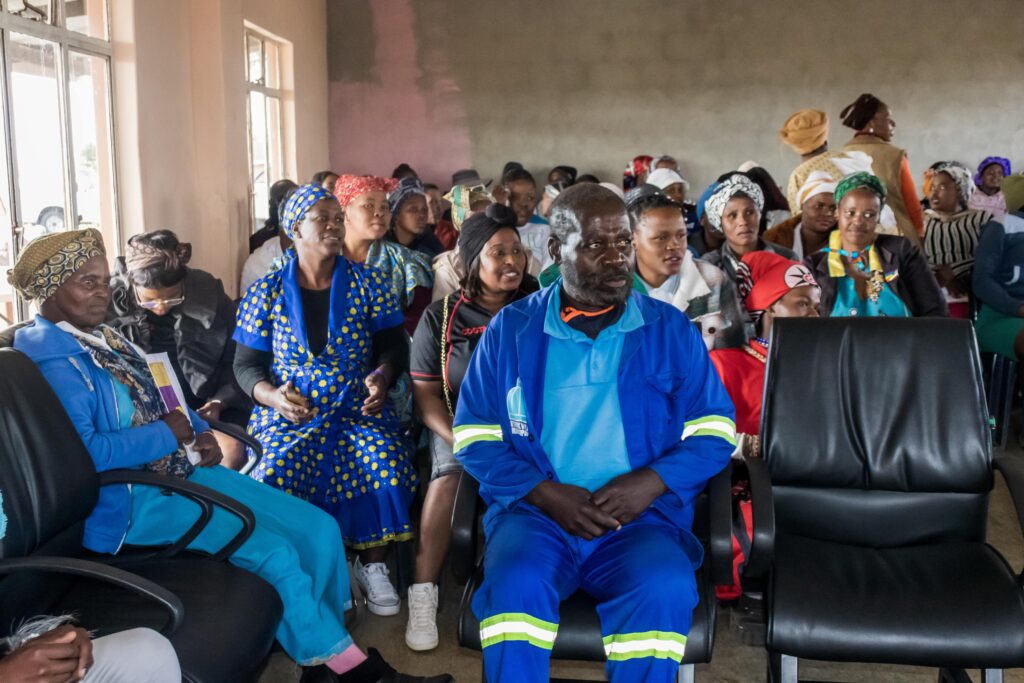
In rural South Africa, Parents, Families & Friends of South African Queers (PFSAQ) ventured into remote KwaZulu-Natal to bring vital LGBTQI education to communities that mainstream advocacy never reaches. Chief Mabaso embraced their message and committed to ensuring his nation is informed, saying ‘we don’t want a situation where our children are killed.’ While in Cambodia, RoCK’s Solidarity of Love event brought together families and government officials to explore what love means within Khmer culture. Participants like Tit Heng, an older sister initially resistant towards her transmasculine brother, realised that love, not judgement, sustains family bonds, and pledged to share her story with other families.
10. Documenting LBQ, Trans, GNC, and Intersex Lives, from Indonesia to Sri Lanka
For too long, LBQ women, as well as trans, gender non-conforming, and intersex people have been left out of research. Your support made groundbreaking studies possible: LGBTI ERA documented the violence LBQ women experience across the Western Balkans and Turkey, whilst Asia Feminist LBQ Network (AFLN) uncovered the barriers LBQ women experience in accessing healthcare across Asia. In Indonesia, Transmen Indonesia published the country’s first report on the challenges trans men face, with the findings being used to push for better laws and services. And in Sri Lanka, EQUAL GROUND produced the country’s first study on intersex people’s experiences, providing critical insights into the needs of intersex individuals and their caregivers, both within healthcare settings and in everyday life.
11. Bringing LGBTQI Voices and Experiences to the UN
Your support enabled grant partners to bring LGBTQI realities into UN advocacy spaces. Equal Asia Foundation (EqualAF) contributed vital evidence to a landmark UN report on climate change and displacement, authored by UN Independent Expert Graeme Reid and launched in Geneva in June 2025. The report highlighted how LGBTQI people are pushed into cycles of vulnerability and exclusion during climate crises, bringing these communities’ experiences into international policy discussions for the first time. Meanwhile, REDCAHT+ contributed to a coalition supporting Panama with information and research for the UN’s periodic review process, through which states are held accountable for their human rights obligations. This submission addressed not only LGBTQI issues, but also women’s rights and sexual and reproductive health in Panama, underscoring the interconnected nature of the challenges LGBTQI communities face.
12. Making the Case for Funding LGBTQI Climate Action
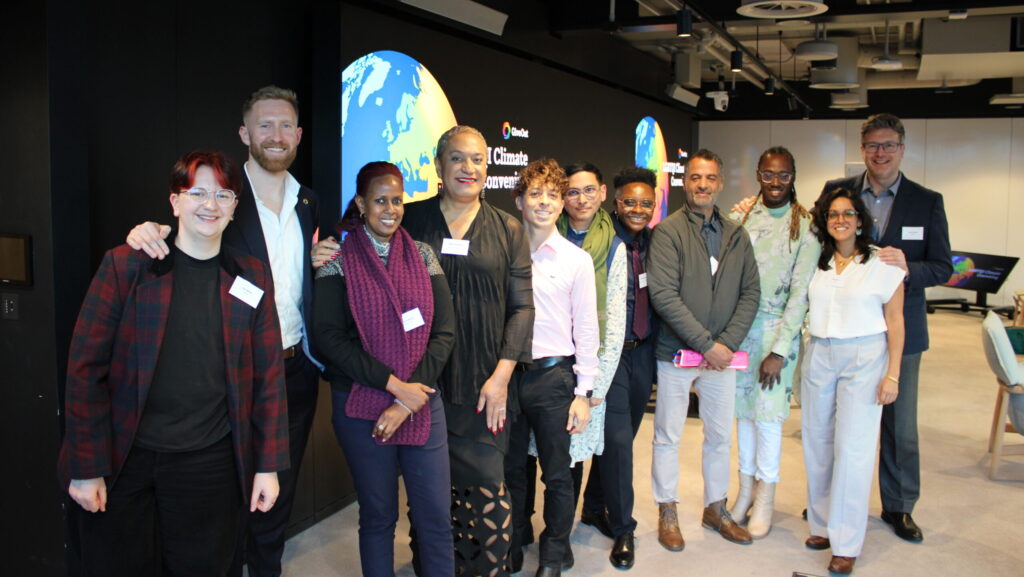
In March, GiveOut hosted the world’s first LGBTQI Climate Convening, bringing together activists, funders, and researchers. The learnings were distilled into our report Bridging the Gap: Resourcing LGBTQI Climate Action, making the case that LGBTQI people face heightened vulnerability during climate crises. The report is now being used to help unlock new resources for communities historically excluded from climate funding. As one climate funder shared following the convening: ‘I arrived unsure how LGBTQI rights fit within climate funding. I’m leaving not just convinced, but committed.’
Thank You So Much
This work simply would not be possible without you – our community of supporters. Thank you so much to everyone who has given this year.
Looking ahead, we warmly invite you to join us in continuing to support the global movement for LGBTQI human rights with GiveOut, ensuring that LGBTQI people everywhere can live freely and fully.
For those celebrating Christmas, we wish you a happy and restful festive period, and here’s to another year of standing in solidarity with LGBTQI activists around the world.