



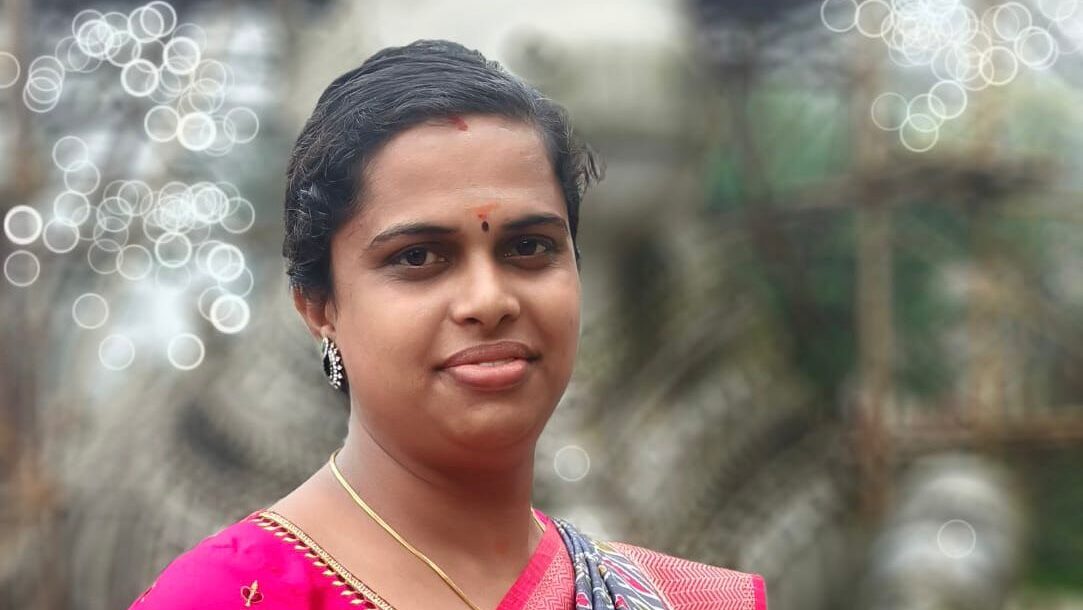
When Prapulladevi K.N. received news that she had been selected for a public service role in Mysuru, it marked a hard-won achievement. But when every other selected candidate received their appointment order and she did not, the reason was painfully clear: her identity as a transgender woman. With legal support from the Centre for Law and Policy Research (CLPR), Prapulladevi fought back, and won.
As one of 45 successful candidates selected on merit, Prapulladevi completed all required formalities, including document verification, medical examination, and every criterion for appointment. But when over 30 other candidates from the same selection list received their appointment orders and began work, Prapulladevi received nothing.
“I felt deeply distressed,” she recalled. “It seemed to me as though I had been deprived of my right to live with dignity.”
A legal challenge before the Karnataka High Court had issued a temporary order preventing further appointments. Yet this order was being selectively applied, blocking Prapulladevi’s appointment whilst allowing others to proceed. It appeared that this was because she is a trans woman.
CLPR’s Allyship
Through her connections with the transgender community, Prapulladevi learned about CLPR and Executive Director Jayna Kothari’s work on transgender rights.
“Since Ms Kothari has been a close ally of our community, I got to know about her work on transgender rights,” she explained.
CLPR asked the court to intervene in the ongoing case, requesting clarification to ensure the temporary order would not be selectively used to deny her appointment. Throughout the process, CLPR provided comprehensive support.
“The CLPR team patiently created awareness regarding legal issues and instilled confidence by providing strong assurance,” Prapulladevi noted.
The intervention focused on a fundamental principle of equal treatment under the law. Prapulladevi had met every criterion and been selected on merit. The only barrier was the discriminatory application of a court order that did not prevent others from taking up their positions.
The Karnataka High Court ruled in Prapulladevi’s favour, clarifying that the order should not be used to block her appointment. The Office of the Principal District and Sessions Judge in Mysuru issued Prapulladevi’s appointment order, and she was formally inducted.


“I take pride in being a transgender woman,” she stated simply. Now she can take equal pride in her work.
But Prapulladevi knows there’s a lot more that needs to be done.
“For the welfare of the community, the legal framework must be further strengthened, and awareness should be created across all departments,” she emphasised.
Her message was clear: “It must be understood that all human beings are equal and that everyone has the right to live with equality and dignity.”
Through persistence and legal support, Prapulladevi secured not just a job, but affirmation of a fundamental principle: transgender individuals have the same right to public employment as anyone else, and barriers cannot be selectively applied to deny them that right.